
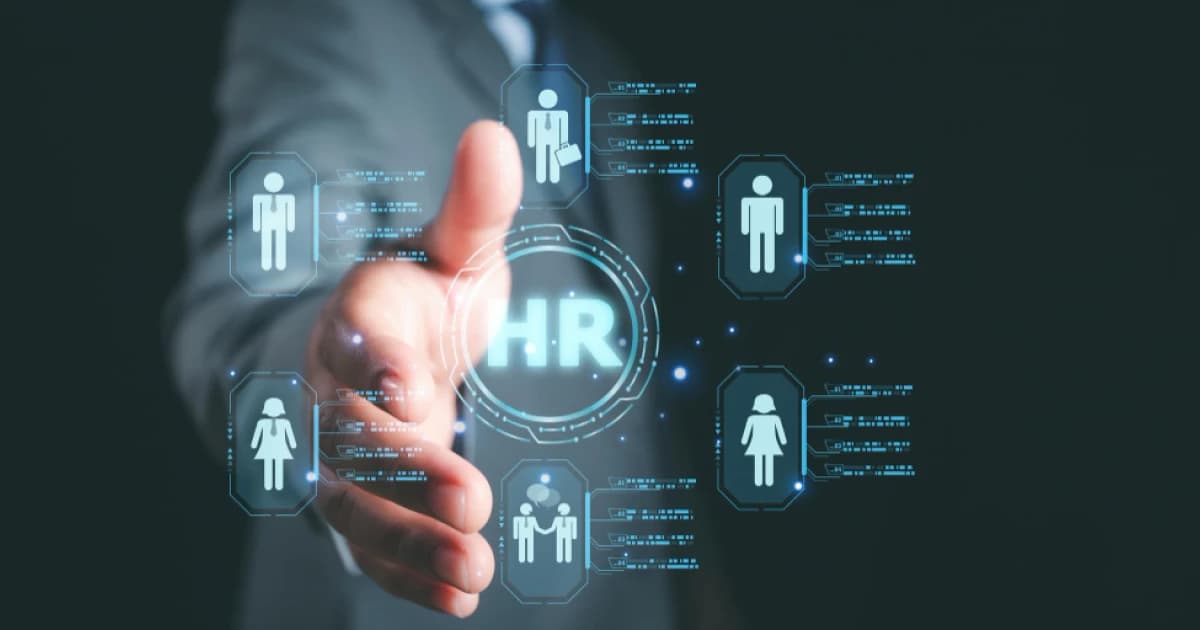
For a long time it was believed technology could replace the human eye in companies. The reality is rather different. Today, artificial intelligence and people analytics are helping HR teams understand people better, predict behaviour and make decisions that are fairer, faster and grounded in data.
What was once pure intuition can now also be measured. When technology combines with empathy, a new kind of people management emerges: more strategic, more efficient and, above all, genuinely human.
What people analytics is
People analytics is the use of data and statistical analysis to support people-related decisions within organisations. Instead of basing promotions, hires or development plans purely on subjective impressions, HR starts using concrete information about performance, engagement and behaviour.
That makes it possible to understand what motivates employees, identify patterns that signal a risk of departure and even anticipate training needs. Grounded in data, HR gains a fuller view of the company's human capital and can act preventively and strategically.
Where artificial intelligence comes in
Artificial intelligence is people analytics' great ally. It processes volumes of data that would be impossible to analyse manually. AI tools can cross-reference information on performance, climate surveys, feedback, recruitment history and even interactions on corporate platforms.
The result is precise insight and reliable predictions that help managers and HR professionals make well-grounded rather than merely intuitive decisions.
For instance:
- Identifying when an employee is about to disengage or resign.
- Mapping emerging skills within the team and suggesting personalised development plans.
- Improving recruitment by pointing to candidates with the strongest cultural and technical fit for the role.
Those analyses make HR more strategic and reduce the time spent on operational work.
AI does not replace people; it widens the human view
It is fundamental to understand that technology has not come to replace the human touch in working relationships. Quite the opposite: AI and people analytics give HR professionals tools to see beyond the numbers.
With data well interpreted, it becomes possible to make decisions that are more empathetic and more balanced, combining reason and emotion. Technology points the way, but it is still a human being who decides how to walk it.
Companies that understand that balance create environments that are fairer, more transparent and more productive, where people feel seen, recognised and valued.
How companies are using people analytics and AI in practice
More and more, organisations are reaping the rewards of that combination of technology and people management. Some practical examples:
- Talent mapping: identifying employees with high growth potential and planning internal succession on the basis of performance and engagement data.
- Reducing turnover: predicting which areas are most prone to churn and acting before the problem arrives.
- Sharper hiring: matching candidate profiles against the characteristics of professionals who have succeeded within the company.
- Tracking organisational climate: analysing sentiment expressed in surveys and feedback to adjust engagement strategies.
Those applications demonstrate that technology, used intelligently, brings companies closer to their people, strengthening bonds and improving results.
The future of HR is human and digital
Technology is already part of modern management. Even so, HR's role remains the same: looking after people. What changes is how that is done.
By integrating artificial intelligence and people analytics tools into recruitment, development and retention, HR gains speed, precision and depth. People gain too. They get more personalised experiences, fairer assessments and opportunities for growth based on merit and real data.
Hprojekt's view
At Hprojekt we believe bringing together technology and empathy is the route to an HR function that is both more efficient and more human. Our recruitment and selection processes already use data intelligence to identify talent with a strong cultural and technical fit.
We also combine modern tools with our consultants' sensitivity, ensuring a perspective that goes beyond the numbers. Data, after all, only makes sense when it helps people be valued.
Conclusion
Artificial intelligence and people analytics have not come to take HR's role away but to widen it. Together, those tools let companies see what human eyes alone cannot and act with more precision, empathy and purpose.
The future of HR has already arrived. It is human, digital and deeply connected to people.